
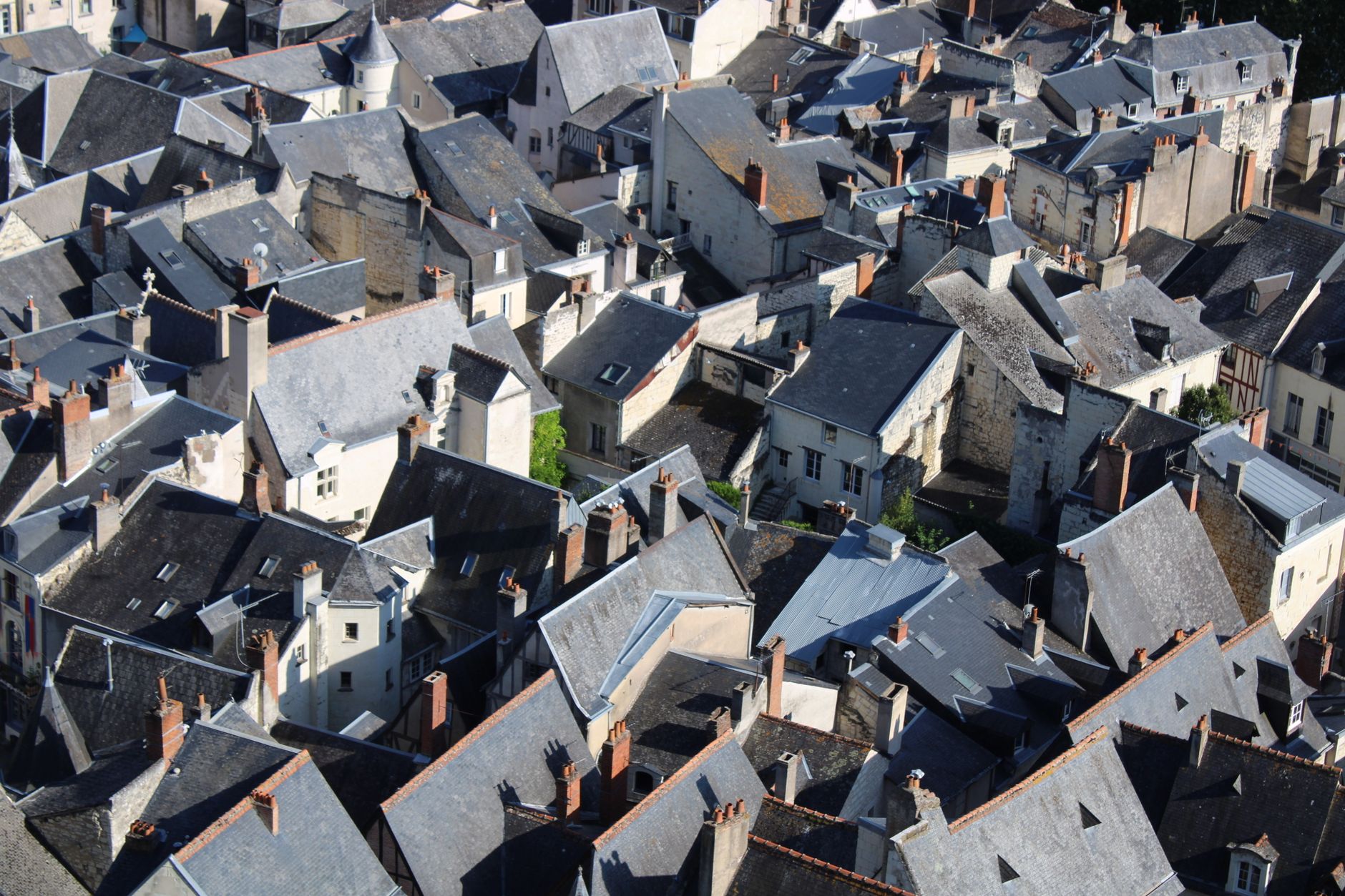
Caps, Inserts and Rebuilds Done to Code, From Rosemead
Caps, inserts, rebuilds and the inspections behind them
Every card below answers to a rule: NFPA 211, the building code, the fire code or a maker's listing. We tell you which one, then what the job involves.
Chimney Sweep
Flue brushed and vacuumed back to the clean state NFPA 211 asks for, with deposit depth written down before and after.
Learn MoreChimney Inspection
An NFPA 211 inspection at the level your situation calls for, written up so an insurer, buyer or city office can follow it.
Learn MoreChimney Repair
Repairs scoped against NFPA 211 and the local building code, so the chimney passes its next inspection, not only the next rain.
Learn MoreFireplace Inspection
Firebox, hearth extension, damper and mantel spacing measured against the code tables that apply to your fireplace.
Learn MoreFireplace Repair
Cracked firebrick, loose panels, failed doors and short hearths put right so the fireplace meets clearance rules again.
Learn MoreChimney Level 2 Inspection
The deeper NFPA 211 inspection a sale, a new appliance or storm damage calls for, with video of the inside of the flue.
Learn MoreChimney Cap Installation
A cap and spark arrestor screen fitted to the flue, chosen to meet fire code mesh rules and keep rain and animals out.
Learn MoreChimney Flashing Repair
Step and counter flashing rebuilt where the roof meets the chimney, with the upper layer cut into a mortar joint as roofing codes describe.
Learn MoreChimney Masonry Repair
Open joints, spalled brick and loose courses repaired with a mortar chosen for the brick, so the new work does not crack the old.
Learn MoreChimney Rebuilds
A new chimney top built to today's code, with height, flue size and reinforcing worked out before the old brick comes off.
Learn MoreFireplace Cleaning
Ash, soot and creosote cleared from the firebox, smoke chamber and doors, with the room left as clean as we found it.
Learn MoreGas Fireplace Cleaning
Lint, dust and nests cleared from a gas unit's ports, pilot and vent, then the flame compared with the maker's manual.
Learn MoreGas Fireplace Repair
Ignition, valve and flame faults on gas fireplaces traced and repaired with parts the maker lists for that model.
Learn MoreFireplace Remodel
A refaced fireplace with mantel height, hearth depth and trim spacing set by the code before any stone or tile is picked.
Learn MoreFireplace Inserts
Gas and wood inserts set into an existing firebox with a full height liner, and the permit and clearances handled on paper.
Learn MorePellet Stove Repair
Jammed, shutting down or code throwing pellet stoves repaired with listed parts, and the vent pipe checked for clearance.
Learn MoreWood Stove Repair
Gaskets, baffles, glass and stove pipe repaired so a wood stove seals properly and sits a safe distance from walls.
Learn MoreGas Logs
Log sets matched to the firebox, the room and the vent type, then installed to meet the damper rule and the maker's limits.
Learn MoreChimney Seismic Retrofit
Unreinforced brick chimneys made safer for the next quake with bracing, strapping or a lighter top, chosen after an inspection.
Learn MoreChimney Crown Repair
Cracked crowns sealed or recast with an overhang and a gap at the flue tile, as masonry chimney standards describe.
Learn MoreDryer Vent Cleaning
Lint cleared from the whole dryer duct, with the run, the pipe material and the outside hood compared with the mechanical code.
Learn MoreChimney Liner Installation
Listed stainless liners sized from the appliance and run the full flue height, with insulation where the listing asks for it.
Learn MoreChimney Leak Repair
Leaks traced from the stain inside back to where water enters, then fixed in the order that stops them soonest.
Learn MoreChimney Waterproofing
Brick treated with a repellent that lets vapor out, as the last step once every crack and gap above it is closed.
Learn MoreChimney Damper Repair
Stuck, rusted or warped dampers repaired, or swapped for a sealing damper mounted on the chimney top and worked by a cable.
Learn MoreChimney Chase Cover
Rusted chase tops on factory built chimneys replaced with a stainless or galvanized cover made to the chase's own size.
Learn MoreChimney inspections and repairs for a deal or a building
Pick the page that matches your role: a buyer or seller, an agent, a manager or HOA board, or an owner holding a failed report.
Home sale inspection
A camera inspection for a sale, with each finding paired to its fix and, where we publish one, its price.
For real estate agents
Chimney findings written in sentences an agent can forward to a client exactly as they are.
Property managers and HOAs
Fireplace safety checks across a building, priced per fireplace, with a dated record for each unit.
Up to code repairs
A failed inspection split into stages: safety work now, water work next, upgrades when you choose.
Older Chimneys, Newer Rules. We Tell You Where the Gaps Are.
Edgerton Chimney Group works out of Rosemead, and most bookings come from Temple City, Monterey Park, Montebello and West Covina, with more from across the San Gabriel Valley.
Plenty of chimneys around here were built before the rules a buyer's inspector or an insurer now reads them against. Some gaps are serious; many are not. Owners deserve to know which is which.
So every report names the standard behind each finding, NFPA 211, the building code, the fire code or the maker's listing, then says what it means: fix before the next fire, fix before closing, or watch it.
Rule First
Every finding says which standard it comes from, so you can look it up or show it to someone else.
Plain Priority
Safety items come first on every report, then water, then wear. Cosmetic work is listed last and never pushed.
Paperwork That Holds Up
Photos, measurements and permit records are kept together so a buyer or insurer can follow what was done.
Valley Houses
We work out of Rosemead, among the brick chimneys and factory built fireplaces found all over the San Gabriel Valley.
Based in Rosemead, with Temple City, Monterey Park, Montebello and West Covina close by
140 city pages, each on the housing we meet there, the burn rules and the ZIP codes. Type a name to jump to yours.
Rosemead
Our home city, on the San Gabriel Valley floor
Rosemead filled in on old farm land after World War II, and 77% of its homes were built before 1980. Where those postwar houses have a fireplace, the chimney is brick, so we read it against NFPA 211 before any insert or rebuild permit is pulled.
Temple City
Las Tunas Drive suburb of single-family streets
Founded by Walter Temple in the 1920s and incorporated in 1960, the city is mostly detached houses, 80% of units. A typical tract chimney carries steel reinforcement that is now decades old, which matters when a rebuild needs a permit and an inspector checks the steel.
Monterey Park
Hillside city where the valley meets East Los Angeles
Building here reaches back to the 1910s, and slopes filled with homes after the war; 79% of the housing predates 1980. On a sloped lot, chimney height above the roof is a code question, and a new insert or cap must still clear it.
Montebello
Older suburb below the Montebello Hills open space
With 84% of homes built before 1980 and 23% before 1950, Montebello's brick chimneys are old enough that NFPA 211 clearances and liner condition decide whether a gas insert can go in, or whether a rebuild permit comes first.
Further cities
136 more areas listed on the areas page
Each one has a page of its own.
Right on a city line?
Send the full address and we confirm which city it falls in
Mailing names and permit cities do not always match near a boundary. Put the street on the form and the reply names the building office that covers it.
Find Out Where Your Chimney Stands Against the Code
Edgerton works out of Rosemead with a tape, a camera and the rule books. You learn which findings a buyer, an insurer or the city would stop at, and what each fix involves.
What Set Off the Question?
A pending sale, a note from an insurer, a cap or insert you want, or water by the chimney. Leave a number and the office rings to book.
Code, Permits and Prices, Answered
The questions San Gabriel Valley owners put to us before a sale, an insert or a rebuild. Not covered here? Ask on the contact page and we answer with the rule that applies.
Got an inspector's note you cannot decode?
Send us the wording. We tell you which rule it points to and what the usual fix costs.
Book a VisitFrom the First Question to a Report You Can Hand On
The order is the same for a single flue bungalow in Temple City or a two chimney house in West Covina: the reason for the visit, the measurements, the rule, the price, then the work and the records.
Say What Started It
Use the contact form with your street and the trigger: a sale, an insert you want, a leak, or a letter from an insurer. That trigger decides which inspection level or repair visit we book.
Look Before Quoting
We go over the parts that bear on your question: firebox and hearth, flue, attic pass-through and roof. Measurements go down beside each photo.
The Rule, Then the Fix
Your report names the standard behind each finding, whether NFPA 211, the building code or the maker's manual, and says what it means for the house. Repairs come with a written price.
Permit, Then Work
Where the city wants a permit, it is filed before work begins. The room is covered and the work area is kept clean while the job runs.
Papers You Keep
At the end you hold the photos, the report and any permit sign off, ready for a buyer, an insurer or the next inspection.
Selling soon, or waiting on an insurer?
Book a Visit